
Content reviewed by licensed professionals
You’ve probably heard the whispers about hair dye and health concerns before. Maybe you dismissed them as overblown worry, or maybe they lingered in the back of your mind every time you sat in that salon chair. But this time, the research is specific—and it’s speaking directly to us.
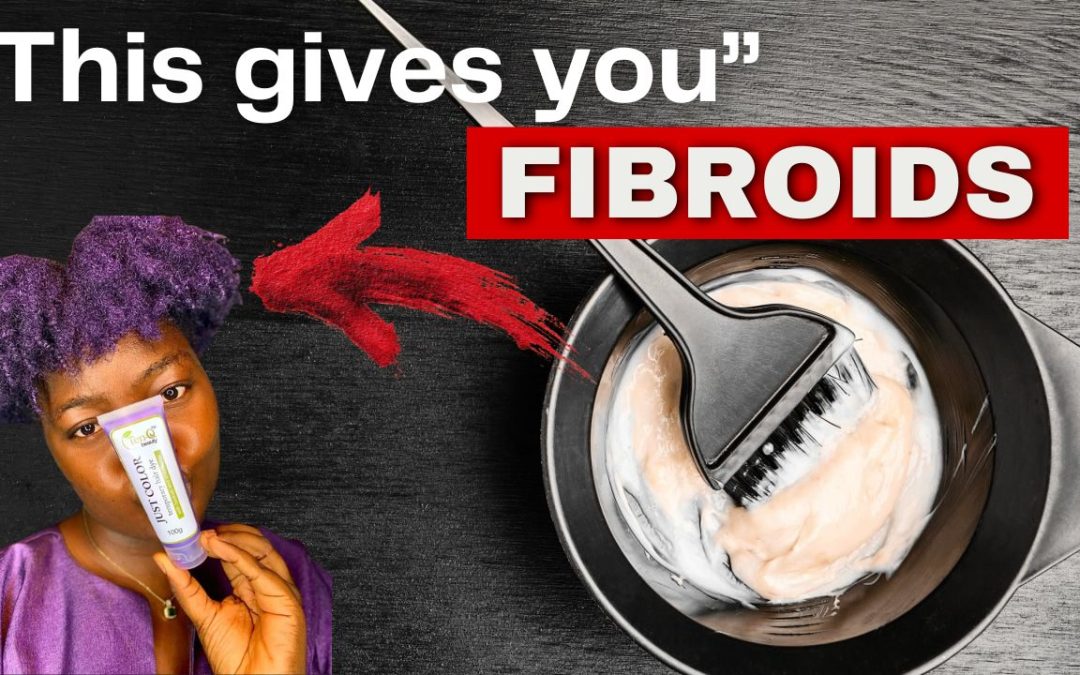
A groundbreaking 2025 study published in Fertility and Sterility found that Black women who used hair dye in the past year had a 44% higher risk of developing uterine fibroids compared to those who didn’t. And for certain types of dye—particularly semi-permanent fades—that risk nearly doubled.
This isn’t about making you panic or throw out every hair product you own. It’s about understanding what’s actually happening in your body when certain chemicals come into contact with it—and making informed choices about what risks you’re willing to take.
Because here’s the uncomfortable truth: Black women already face a disproportionate burden when it comes to fibroids. We’re three times more likely to develop them than white women, we get them younger, and we experience more severe symptoms. Anything that might be contributing to that disparity deserves a closer look.
The Fibroid Crisis That Nobody’s Talking About
Before we dive into the hair dye connection, let’s establish why fibroids are such a significant health concern in the first place—especially for Black women.
Uterine fibroids are non-cancerous tumors that grow in or on the uterus. By age 50, approximately 70% of all women will have at least one fibroid. But that statistic doesn’t tell the whole story. For Black women, that number climbs to between 80-90%. Nearly a quarter of Black women between ages 18 and 30 already have fibroids, compared to about 6% of white women in the same age group. By age 35, that number increases to 60%.
And it’s not just about prevalence. Black women tend to develop fibroids at younger ages, experience larger and more numerous tumors, and suffer more severe symptoms—including heavy or prolonged menstrual bleeding, severe cramping, pelvic pressure, frequent urination, constipation, back pain, and pain during intercourse.
The consequences extend beyond discomfort. Fibroids can affect fertility, increase the risk of pregnancy complications, lead to anemia from blood loss, and significantly impact quality of life. They’re the leading cause of hysterectomy in the United States—and Black women are two to three times more likely to undergo this surgery than their white counterparts.
For years, researchers have been trying to understand why this disparity exists. Genetics plays a role. So does vitamin D deficiency, which is more common in Black women. Stress, diet, environmental factors, and access to healthcare all contribute. But there’s been growing interest in one potential contributor that hits close to home: the products we put on our hair.
What the New Research Actually Found
The 2025 study, led by researchers from Boston University School of Public Health, the National Institute of Environmental Health Sciences, and Henry Ford Health, followed nearly 900 Black women ages 26 to 39 in the Detroit metropolitan area. None of the participants had a prior fibroid diagnosis at the start of the study.
Researchers tracked their hair dye use and monitored for fibroid development using transvaginal ultrasound—a much more accurate method than self-reporting. Over the course of the study, 149 women developed fibroids.
The Numbers That Matter
Here’s where it gets interesting—and concerning:
- Any hair dye use in the past year was associated with a 44% increased risk of developing fibroids
- Semi-permanent dyes (fades) showed the highest risk—a 98% increase
- Bleach, frost, or highlights were associated with a 36% increased risk
- Permanent dye was the most commonly used type, with 24% of participants reporting use
This is the first study to specifically examine the relationship between hair dye and fibroids in Black women—a notable gap in research given that we have both higher rates of fibroids and distinct hair care practices.
How Hair Dye Chemicals Might Affect Your Hormones
The study didn’t identify which specific ingredients were responsible for the increased fibroid risk. But earlier research by the same team—and a substantial body of other scientific literature—points to a likely culprit: endocrine-disrupting chemicals.
Think of your endocrine system as your body’s internal communication network. It uses hormones—chemical messengers like estrogen, progesterone, and thyroid hormones—to regulate everything from your menstrual cycle to your metabolism to your mood. When this system works properly, it’s remarkably precise. Hormones operate in extremely small amounts, and even minor disruptions can cause significant effects.
The Troublemakers in Your Hair Products
Endocrine-disrupting chemicals (EDCs) are substances that can mimic, block, or interfere with your natural hormones. They’re found in many everyday products—and hair dyes are particularly concerning because of the variety and concentration of chemicals they contain.
A 2024 analysis by the Environmental Working Group examined over 500 hair dyes and identified several chemicals of concern:
Resorcinol is used as a coupling agent to help create specific dye colors. In 2023, France’s food and environmental safety agency (ANSES) proposed identifying resorcinol as a “proven endocrine disruptor” after concluding that it affects thyroid function and can cause harmful effects—particularly in pregnant women. The chemical can disrupt thyroid hormone synthesis, and even mild hypothyroidism during pregnancy can cause irreversible neurodevelopmental problems in unborn children.
Para-phenylenediamine (PPD) is one of the most common ingredients in permanent hair dyes, especially darker shades. It’s a known allergen and has been associated with sensitization reactions. PPD is absorbed through the skin during hair coloring and can be biotransformed into potentially harmful compounds in the body.
Parabens are preservatives found in many personal care products, including hair dyes. Some parabens have hormone-disrupting properties and have been linked to reproductive concerns. Studies consistently show that Black women have higher concentrations of parabens in their bodies compared to white women.
Phthalates often hide under the term “fragrance” on ingredient labels. They’re used to stabilize dyes and enhance texture, but they’re notorious for interfering with hormones and have been linked to fertility issues and developmental problems.
Formaldehyde and formaldehyde-releasers like DMDM hydantoin and imidazolidinyl urea are used as preservatives. Formaldehyde is a known carcinogen and has been associated with various health concerns.
Why Fibroids Respond to Hormonal Disruption
Uterine fibroids are hormone-dependent tumors. They grow in response to estrogen and progesterone—the same hormones that regulate your menstrual cycle. This is why fibroids typically develop during reproductive years and often shrink after menopause when hormone levels decline.
When endocrine-disrupting chemicals enter your body, they can act as agonists or antagonists for estrogen and progesterone receptors. In simpler terms, they can either mimic these hormones (making your body think there’s more of them than there actually is) or block them (interfering with normal hormonal function). Either way, this disruption can potentially induce the growth of fibroid cells or increase their survival.
A 2022 study published in the Journal of Endocrinology found that all six commonly used Black hair products they tested displayed hormonal activity. Three showed estrogen-mimicking properties at measurable levels. This means these products weren’t just containing potentially harmful chemicals—they were actually behaving like hormones when tested in laboratory conditions.
The Bigger Picture: Why Black Women Bear a Disproportionate Burden
This isn’t just about individual product choices. It’s about systemic inequities that put Black women at higher risk.
The EWG’s 2025 report on products marketed to Black women found something troubling: on average, these products had higher hazard scores than products with no demographic marketing. The safer options that exist on the market? They’re often not the ones being specifically formulated for and marketed to us.
Biomonitoring studies consistently show that Black women have higher concentrations of personal care product chemicals in their bodies compared to white women. This includes parabens, phthalates, and other compounds found in hair products. The disparity isn’t because Black women are making “worse” choices—it’s because the products available to us often contain more concerning ingredients.
And the health consequences extend beyond fibroids. Research has linked hair product use in Black women to earlier onset of puberty in daughters, increased breast cancer risk, higher rates of uterine cancer, and disrupted hormone levels during pregnancy.
What You Can Actually Do About This
Knowledge without action just creates anxiety. So let’s talk about practical steps you can take to reduce your exposure while still achieving the look you want.
Read Labels Like Your Health Depends on It
When selecting hair color products, scan the ingredient list for these red flags:
- Resorcinol (also listed as 1,3-benzenediol or resorcin)
- M-aminophenol
- Para-phenylenediamine (PPD) or any ingredient with “phenylenediamine” in the name
- Ingredients ending in “-paraben” (methylparaben, propylparaben, etc.)
- DMDM hydantoin, imidazolidinyl urea, or quaternium-15 (formaldehyde releasers)
- “Fragrance” or “parfum” (can contain undisclosed phthalates)
- Ingredients ending in “-thiazolone” (like methylisothiazolinone)
Consider Lower-Risk Alternatives
Henna and plant-based dyes have been used for centuries across cultures. Pure henna (from the Lawsonia inermis plant) coats the hair rather than penetrating it, providing color without the same chemical concerns. When combined with indigo, it can create shades from auburn to deep brown-black. The trade-off? The color range is more limited, application takes longer, and results vary depending on your starting hair color.
Semi-permanent and temporary options that don’t require developers may contain fewer concerning chemicals, though this study actually found higher risk with semi-permanent fades specifically—so ingredient checking matters more than product category.
Brands focusing on “clean” formulations are increasingly available. Look for products verified by third-party organizations like EWG Verified, which indicates the product meets strict criteria for ingredient transparency and health.
Modify Your Dyeing Habits
If you’re not ready to give up conventional hair dye entirely, these strategies can help reduce exposure:
- Extend time between colorings when possible—even going from every 4 weeks to every 6 weeks reduces your annual exposure by a third
- Opt for highlights or balayage over full-head color, as these techniques keep chemicals further from the scalp
- Ensure adequate ventilation during application—open windows or use fans to reduce vapor inhalation
- Don’t leave dye on longer than directed—more time doesn’t mean better color, but it does mean more absorption
- Rinse thoroughly to remove all traces of product
- If you’re pregnant, breastfeeding, or trying to conceive, consider postponing chemical hair treatments or using plant-based alternatives
Use Resources to Make Informed Choices
The EWG’s Skin Deep database (ewg.org/skindeep) rates over 130,000 personal care products based on their ingredient safety profiles. You can search for specific products or ingredients to see their hazard scores and find safer alternatives.
The EWG’s Healthy Living app allows you to scan product barcodes while shopping to instantly check safety ratings.
When This Isn’t Just About Hair Products
If you’re experiencing symptoms that might indicate fibroids—heavy or prolonged periods, pelvic pain or pressure, frequent urination, difficulty emptying your bladder, constipation, or back or leg pain—don’t wait to seek medical attention.
Many women suffer for years because they’ve normalized symptoms that actually warrant treatment. You deserve to know what’s happening in your body, and you deserve access to the full range of treatment options—not just hysterectomy.
Minimally invasive options like uterine artery embolization, radiofrequency ablation, and myomectomy can treat fibroids while preserving the uterus. Medical management with hormonal treatments can help control symptoms. The right approach depends on your specific situation, symptoms, and reproductive goals.
If you feel your concerns are being dismissed, advocate for yourself. Get a second opinion. Seek out specialists who have experience treating fibroids in Black women. Your symptoms are real, and you deserve care that takes them seriously.
The Bigger Fight: Demanding Safer Products
Individual choices matter, but they’re not the whole solution. The beauty industry needs to do better. Regulatory bodies need to catch up. And companies need to stop formulating less-safe products specifically for Black consumers.
The European Union has banned or restricted many chemicals that are still commonly used in American hair products. That’s not because European hair is different—it’s because their regulatory framework prioritizes consumer safety over industry convenience.
Until stronger regulations exist in the U.S., we’re left to protect ourselves through education and careful product selection. But we can also use our voices and our purchasing power to demand change.
The Bottom Line
This research adds to a growing body of evidence suggesting that hair products may contribute to health disparities affecting Black women. The 2025 study finding a 44% increased fibroid risk with hair dye use—and nearly double the risk with semi-permanent fades—is significant, even if more research is needed to fully understand the relationship.
Key takeaways:
- Black women face a disproportionate burden of uterine fibroids, and hair product chemicals may be one contributing factor
- Many hair dyes contain endocrine-disrupting chemicals that can interfere with hormonal balance
- Products marketed to Black women often have higher hazard scores than those without demographic marketing
- Reading labels, choosing plant-based alternatives, and extending time between colorings can reduce exposure
- If you’re experiencing fibroid symptoms, seek medical attention and advocate for comprehensive care
You don’t have to choose between looking good and protecting your health. But you do deserve accurate information about what’s in the products you use—and the potential risks they may carry.
This is your body. These are your choices. Make them informed.
Frequently Asked Questions
Does this mean I should stop dyeing my hair completely?
Not necessarily. The research shows an association, not definitive causation, and individual risk depends on many factors. However, if you have a family history of fibroids, are already experiencing symptoms, or are trying to conceive, it may be worth considering lower-risk alternatives or reducing frequency. The goal is informed decision-making, not fear-based avoidance.
Are salon applications safer than at-home dyes?
Professional salon applications often use higher-concentration formulations, which could mean greater exposure. However, trained stylists may apply products more precisely to minimize scalp contact. The safety difference depends more on the specific products used than the setting. Ask your stylist about the ingredients in the products they use and whether lower-chemical alternatives are available.
Why did semi-permanent dyes show higher risk than permanent ones in the study?
This is an area that needs more research. Semi-permanent dyes (particularly fades) may contain different chemical formulations, be applied more frequently, or be used in conjunction with other products. The specific mechanisms aren’t yet clear, but the finding underscores that “semi-permanent” doesn’t automatically mean “safer.”
Is henna completely safe?
Pure, body-art-quality henna from the Lawsonia inermis plant is generally considered safe for most people. However, some people can be allergic to henna, and products labeled “henna” sometimes contain synthetic additives. “Black henna” in particular often contains PPD and should be avoided. Always do a patch test and source henna from reputable suppliers who provide pure, tested products.
Can fibroids go away on their own?
Fibroids typically shrink after menopause when estrogen and progesterone levels drop. However, during reproductive years, they often grow or remain stable without treatment. Small, asymptomatic fibroids may be monitored with “watchful waiting,” but fibroids causing significant symptoms usually require intervention. The approach depends on fibroid size, location, symptoms, and your reproductive goals.
Are hair relaxers and straighteners also a concern?
Yes. A 2022 NIH study found that women who used chemical hair straightening products more than four times per year were more than twice as likely to develop uterine cancer. Other research has linked straightener use to increased fibroid risk and breast cancer. Many of the same endocrine-disrupting chemicals found in hair dyes are also present in relaxers and straightening products.
What if I already have fibroids—should I still worry about hair dye?
If you have existing fibroids, minimizing exposure to hormone-disrupting chemicals may help prevent them from growing larger or more numerous. Discuss your specific situation with your healthcare provider, who can help you weigh the potential benefits of reducing chemical exposure against other factors in your care plan.
References
1. Schildroth S, Gaston SA, Harmon QE, et al. A prospective study of hair dyes and uterine leiomyomata incidence in the Study of Environment, Lifestyle, and Fibroids. Fertility and Sterility. Published online August 7, 2025. doi:10.1016/j.fertnstert.2025.08.002
2. Eltoukhi HM, Modi MN, Weston M, Armstrong AY, Stewart EA. The health disparities of uterine fibroid tumors for African American women: a public health issue. American Journal of Obstetrics and Gynecology. 2014;210(3):194-199. doi:10.1016/j.ajog.2013.08.008
3. Gaston SA, Schildroth S, et al. Hair product use and urinary biomarker concentrations of non-persistent endocrine disrupting chemicals among reproductive-aged Black women. Environment International. 2024. doi:10.1016/j.envint.2024.108806
4. Chang CJ, O’Brien KM, Keil AP, Gaston SA, Jackson CL, Sandler DP, White AJ. Use of Straighteners and Other Hair Products and Incident Uterine Cancer. Journal of the National Cancer Institute. 2022;114(12):1636-1645. doi:10.1093/jnci/djac165
5. Helm JS, Nishioka M, Brody JG, Rudel RA, Dodson RE. Measurement of endocrine disrupting and asthma-associated chemicals in hair products used by Black women. Environmental Research. 2018;165:448-458. doi:10.1016/j.envres.2018.03.030
6. Ogunsina K, O’Brien KM, White AJ, Chang CJ, Gaston SA, Jackson CL, Sandler DP. Hair Straightener Use in Relation to Prevalent and Incident Fibroids in the Sister Study with a Focus on Black Women. Environmental Health Perspectives. 2025;133(1):17004. doi:10.1289/EHP14493
7. James-Todd TM, Senie R, Terry MB. Racial/ethnic differences in hormonally-active hair product use: a plausible risk factor for health disparities. Journal of Immigrant and Minority Health. 2012;14(3):506-511. doi:10.1007/s10903-011-9482-5
8. Environmental Working Group. Dye Dangers: Harmful Chemicals in Hair Coloring Products and Their Health Concerns. 2024. Available at: ewg.org/research/dye-dangers
9. McDonald JA, Tehranifar P, Engel SM, et al. Hormonal activity in commonly used Black hair care products: evaluating hormone disruption as a plausible contribution to health disparities. Journal of Exposure Science & Environmental Epidemiology. 2022;32:476-483. doi:10.1038/s41370-021-00378-w
10. ANSES (French Agency for Food, Environmental and Occupational Health & Safety). ANSES proposes identifying resorcinol as a proven endocrine disruptor for humans. 2023. Available at: anses.fr/en/content/anses-proposes-identifying-resorcinol-proven-endocrine-disruptor-humans
Professional Disclaimer: This article is for informational purposes only and is not intended as medical, dermatological, or gynecological advice. The information provided has been reviewed by licensed professionals but should not replace consultation with a qualified healthcare provider. Individual needs vary based on health status, family history, medications, and other factors. Always consult with a professional before making significant changes to your health routine, especially if you have existing health conditions or are pregnant, breastfeeding, or trying to conceive.
Content Review: This article has been reviewed by licensed professionals for accuracy and adherence to current scientific research and evidence-based guidelines.